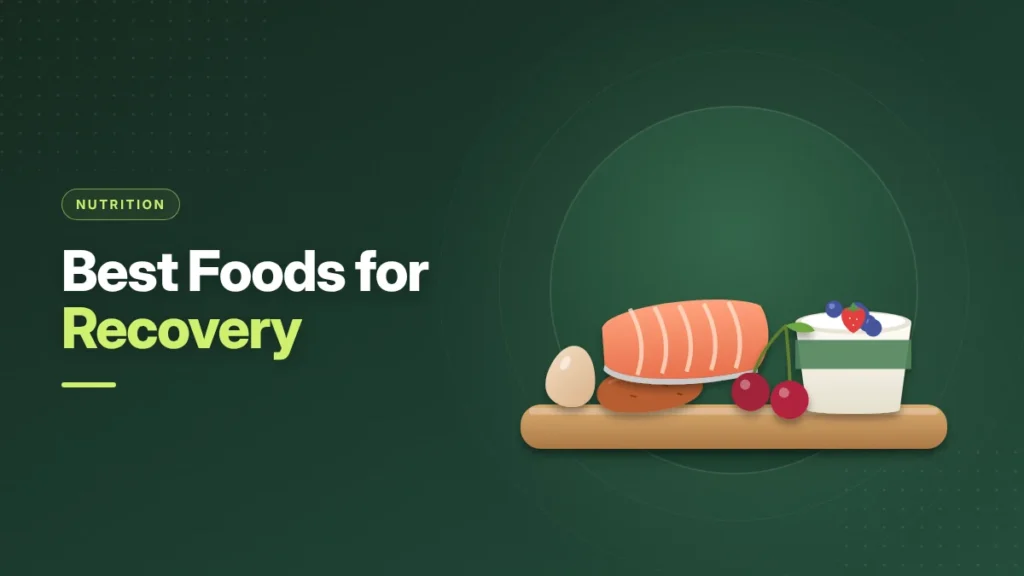
Recovery is where your progress actually happens. Training breaks your muscles down, and the time between sessions is when they rebuild stronger. Sleep and rest do a lot of the work, but food supplies the raw materials. If you often feel sore for days or flat in your next workout, your diet may be part of the reason. Here are the best foods for muscle recovery and why each one earns its place.
What Your Muscles Need to Recover
Before the list, it helps to know what you’re aiming for across the whole day, not just after one session:
- Protein to repair muscle fibers. Research suggests around 1.6 grams per kilogram of body weight per day is enough for most people trying to build muscle.
- Carbohydrates to refill your energy stores.
- Healthy fats and micronutrients like omega-3s, magnesium, and antioxidants that support repair and help manage inflammation.
- Fluids to replace what you lost in sweat.
10 of the Best Foods for Muscle Recovery
1. Eggs
Eggs are a complete protein, meaning they contain all nine essential amino acids, including plenty of leucine, which helps kick-start muscle repair. Eat the whole egg. The yolk carries vitamins, minerals, and about 40% of the protein. Here’s a full look at calories and protein in an egg.
2. Greek Yogurt
Greek yogurt is strained, so it packs about twice the protein of regular yogurt. Much of that protein is casein, which digests slowly. That makes it a great evening snack to keep amino acids flowing to your muscles overnight.
3. Cottage Cheese
Like Greek yogurt, cottage cheese is rich in casein. A cup provides more than 20 grams of protein. Top it with fruit or eat it savory with tomatoes and pepper.
4. Salmon and Other Fatty Fish
Salmon delivers high-quality protein plus omega-3 fatty acids. Some studies suggest omega-3s may help reduce muscle soreness after hard training, though results are mixed. Either way, they’re good for your heart, as Harvard’s Nutrition Source explains.
5. Chicken and Lean Meats
Chicken, turkey, and lean beef are reliable, affordable protein sources. Lean red meat also provides iron, zinc, and vitamin B12, nutrients that support energy and recovery.
6. Tart Cherries
Tart cherries and tart cherry juice are rich in antioxidant compounds called polyphenols. Several studies have found that drinking tart cherry juice in the days around intense exercise may reduce soreness and help strength return faster. Choose unsweetened versions.
7. Sweet Potatoes, Rice, and Oats
Starchy carbs refill the glycogen your muscles used during training. Sweet potatoes add potassium and vitamin A, while oats bring fiber and a little extra protein.
8. Berries
Blueberries, strawberries, and raspberries are packed with vitamin C and antioxidants. They’re an easy add-on to yogurt, oatmeal, or a smoothie.
9. Milk and Chocolate Milk
Milk contains both whey and casein, plus fluid and electrolytes. Chocolate milk adds extra carbs, and studies have found it works about as well as many commercial recovery drinks, for much less money.
10. Nuts, Seeds, and Leafy Greens
Almonds, pumpkin seeds, and spinach are good sources of magnesium, a mineral involved in muscle contraction and energy production. Nuts also provide vitamin E and healthy fats. A small handful a day is plenty.
Plant-Based Options
If you don’t eat meat, tofu, tempeh, edamame, lentils, and chickpeas all support recovery well. Combining different plant proteins through the day helps cover all the essential amino acids. Our guide on vegan diets and fish includes some simple plant-based swaps.
Habits That Slow Recovery
Even the best diet can be undone by a few habits:
- Drinking alcohol after training. Research has found that alcohol after exercise can reduce muscle protein synthesis by roughly 24 to 37%, even when protein is eaten too.
- Under-eating. A deep calorie deficit makes it harder for your body to repair itself.
- Poor sleep. Most muscle repair happens during deep sleep, so aim for seven or more hours.
- Skipping hydration. Even mild dehydration can leave you feeling more tired and sore.
If you get tight, tender spots after training, our guide to muscle knots explains what’s going on and how to find relief.
The Bottom Line
The best foods for muscle recovery combine quality protein, smart carbs, and nutrient-rich extras. Eggs, Greek yogurt, cottage cheese, salmon, and lean meats handle repair, while potatoes, oats, and rice refill your energy. Tart cherries, berries, nuts, and greens add helpful antioxidants and minerals. Build your meals around these foods, sleep well, and you’ll recover faster and train better. For the bigger picture, see our guide on how to gain muscle.
Written by Kashan | FitnessMethodology.com — Your trusted destination for practical fitness tips, smarter nutrition, and healthier living. We empower you to make smarter choices, build healthier habits, and achieving your fitness goals .
Health note: This article is general information, not medical advice. Check with a doctor or registered dietitian before making big changes to your diet or training, especially if you have a health condition, are pregnant or take medication. Read our full disclaimer.