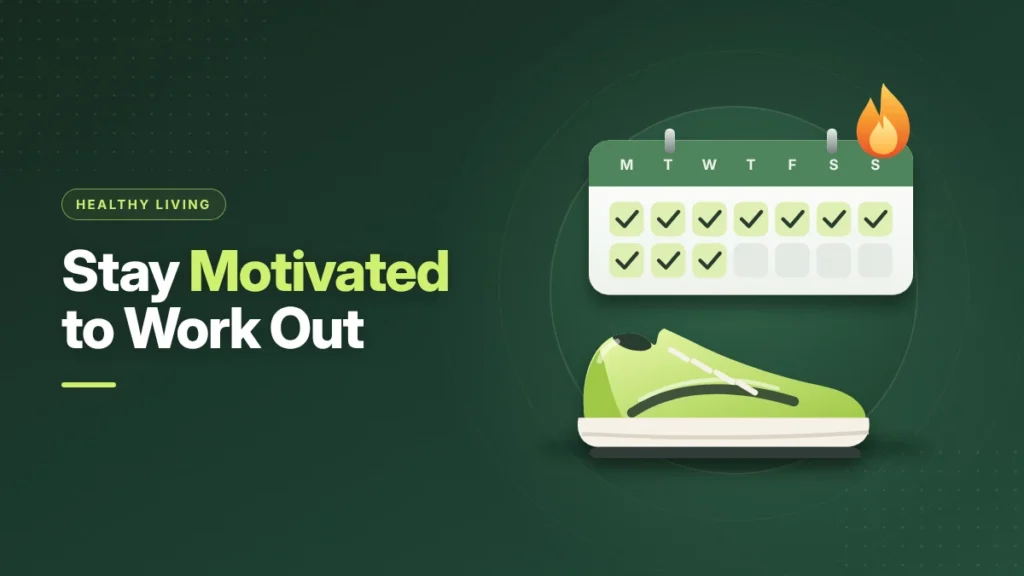
Almost everyone starts a new fitness routine with plenty of enthusiasm. You buy new shoes, plan your workouts, and feel unstoppable. Then a few weeks later, life gets busy, the novelty wears off, and the couch starts winning. If that sounds familiar, you’re not lazy and you’re definitely not alone. Learning how to stay motivated to work out is less about willpower and more about setting yourself up so you don’t need much of it.
Why Motivation Fades
Motivation is a feeling, and feelings come and go. Relying on it alone is like waiting to feel like doing your taxes. Some days you’ll be fired up. Many days you won’t.
The people who stay consistent long term usually aren’t more motivated than everyone else. They’ve built habits and systems that carry them through the low days. The goal is to make exercise feel automatic, like brushing your teeth.
How Long Does It Take to Build a Habit?
You may have heard it takes 21 days. Research suggests it’s usually longer. A study from University College London found it took participants an average of 66 days for a new behavior to become automatic, with a range of 18 to 254 days. Encouragingly, missing a single day didn’t derail the process.
So expect the first couple of months to feel like effort. That’s normal, and it gets easier.
10 Ways to Stay Motivated to Work Out
1. Know Your “Why”
Go deeper than “lose weight.” Maybe you want to keep up with your kids, feel confident, sleep better, or stay independent as you age. Reasons that matter to you personally tend to last much longer than outside pressure.
2. Set Small, Specific Goals
“Get fit” is vague. “Walk 30 minutes, four days a week” is clear and measurable. Focus on actions you control, like showing up, rather than only on outcomes like a number on the scale.
3. Schedule Your Workouts
Put workouts in your calendar like any other appointment. It also helps to make an “if-then” plan: “If it’s Monday, Wednesday, or Friday at 7 a.m., then I go to the gym.” Planning when and where makes you far more likely to follow through.
4. Start Smaller Than You Think
A 10-minute workout you actually do beats a 60-minute plan you skip. On low-energy days, commit to just starting. Once you’re moving, you’ll often keep going.
5. Pick Exercise You Enjoy
You don’t have to run if you hate running. Try swimming, cycling, dancing, hiking, weightlifting, or group classes. Enjoyment is one of the strongest predictors of sticking with exercise. If you’re drawn to the pool, here’s whether swimming gets you fit.
6. Track Your Progress
Write down your workouts, lifts, steps, or run times. Seeing improvements in black and white is incredibly motivating, especially when the scale isn’t moving. Beginners often get stronger quickly, as we explain in our article on strength gains in beginners.
7. Find Accountability
A workout partner, coach, class, or online group makes skipping harder. Simply telling a friend about your plan can boost your follow-through.
8. Remove Friction
Lay out your workout clothes the night before, pack your gym bag in the morning, or choose a gym on your way home. The fewer obstacles between you and your workout, the better.
9. Pair It With Something You Love
Save your favorite podcast, audiobook, or playlist for workouts only. Researchers call this “temptation bundling,” and studies have found it increases how often people exercise.
10. Never Miss Twice
You will miss workouts. Everyone does. The key is to get back on track at the next opportunity. One missed session is a blip. Several in a row start to become a new habit.
When to Take a Break
Not every dip in motivation is a mindset problem. If you feel constantly exhausted, your performance keeps dropping, or you’re always sore, you may need more rest, sleep, or better nutrition. A planned easy week can leave you more motivated, not less.
Be Patient With Results
Visible changes take time, often a couple of months or more. Knowing that in advance makes it easier to stay the course. Our guide on how long it takes to build muscle sets realistic expectations.
The Bottom Line
Motivation will come and go, so don’t rely on it alone. Know your reason, set small goals, schedule your workouts, choose activities you enjoy, and remove obstacles. Track your progress, find accountability, and get back on track quickly after a missed day. Over time, exercise becomes part of who you are. For more on building lasting habits, read our guide to a sustainable approach to health and fitness, and aim to work toward the CDC’s activity guidelines over time.
Written by Kashan | FitnessMethodology.com — Your trusted destination for practical fitness tips, smarter nutrition, and healthier living. We empower you to make smarter choices, build healthier habits, and achieve your fitness goals.
Health note: This article is general information, not medical advice. Check with a doctor or registered dietitian before making big changes to your diet or training, especially if you have a health condition, are pregnant or take medication. Read our full disclaimer.