Most people don’t fail at getting fit because they lack willpower. They fail because the plan was never built to last. A strict diet and a brutal workout schedule can work for a few weeks, but life gets busy, motivation dips, and everything falls apart.
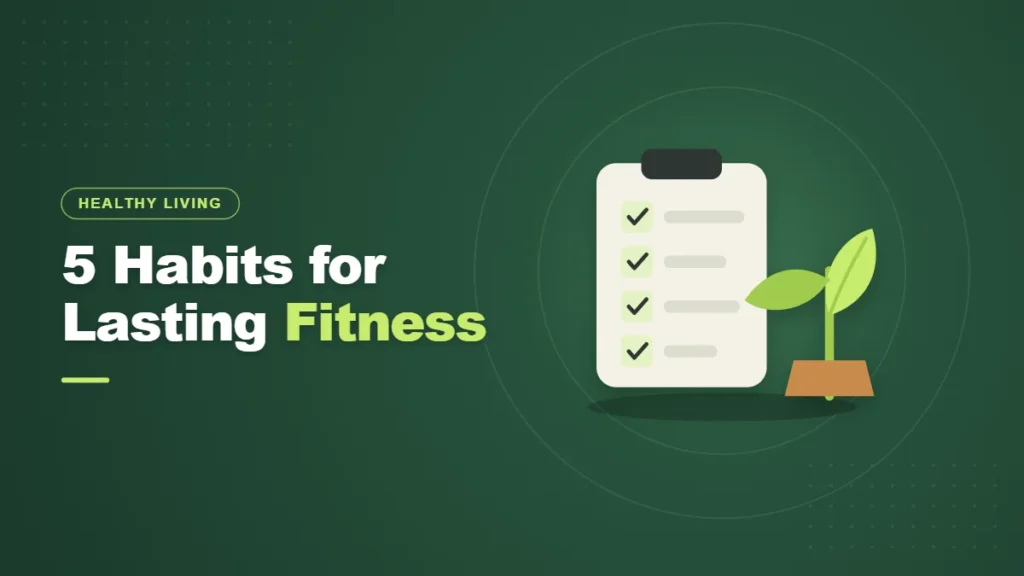
A sustainable approach to health and fitness works the other way around. You start with small, repeatable habits that fit into the life you already have, then build on them. This guide covers the five habits that matter most and shows you how to put them together into a simple weekly routine.
Why a Sustainable Approach Beats Quick Fixes
Quick fixes depend on motivation, and motivation comes and goes. Habits don’t. Once a short walk after dinner or a twice-weekly strength session becomes routine, it takes very little effort to keep going.
Consistency also adds up. A modest routine you follow for a year will do far more for your energy, strength and heart health than an intense plan you abandon after a month.
Habit 1: Move Your Body Most Days

Regular movement is the backbone of good health. According to the CDC, adults need at least 150 minutes of moderate activity a week, which works out to about 30 minutes on five days. Brisk walking, cycling, swimming and dancing all count.
You don’t have to do it all at once. Three 10-minute walks spread through the day still add up. If you’ve been inactive for a while, start with what feels manageable and build up gradually.
Habit 2: Strength Train Twice a Week
The same CDC guidelines recommend muscle-strengthening activity on at least two days a week. Strength training supports your muscles, bones, balance and everyday function, from carrying shopping to climbing stairs.
You don’t need a gym or a complicated program. Bodyweight squats, push-ups and rows done consistently will take you a long way. Our guide to how you gain muscle explains the basics, and compound lifts are a great next step once you feel comfortable.
Habit 3: Build Simple, Balanced Meals

Food fuels both your workouts and your recovery. The NHS Eatwell guide recommends meals built around vegetables, fruit, whole grains, protein foods and healthy fats, along with plenty of water.
Rather than labeling foods as good or bad, focus on balance and portion awareness. Planning a few simple meals ahead of time makes healthy choices much easier on busy days. For a deeper look, read our guide to what a balanced diet looks like, or use our calorie guide to estimate your daily needs.
Habit 4: Protect Your Sleep and Manage Stress
Recovery is where your body adapts to training, and sleep is the biggest part of it. The CDC notes that most adults need at least seven hours of sleep each night. A regular bedtime, a cool dark room and less screen time before bed can all help.
Stress matters too. Breathing exercises, time outdoors and short screen-free breaks are small habits that make the rest of your routine easier to stick to.
Habit 5: Set Small Goals and Track More Than the Scale
Big goals are motivating, but small goals get you there. “Walk for 20 minutes after lunch on weekdays” is easier to act on than “get fit this year.”
Track progress beyond your weight, too. Better sleep, more energy, lifting a heavier weight or walking further without getting tired are all signs your routine is working. Compare yourself with your own starting point, not with anyone else.
A Simple Starter Week
If you’re not sure where to begin, try a week like this:
- Monday: 30-minute brisk walk
- Tuesday: 20 to 30 minutes of full-body strength training
- Wednesday: 30-minute walk or bike ride
- Thursday: rest, light stretching or an easy walk
- Friday: 20 to 30 minutes of strength training
- Saturday: something active you enjoy, like swimming, hiking or dancing
- Sunday: rest and plan a few meals for the week ahead
Once this feels easy, add a little more time or intensity to one or two sessions.
Frequently Asked Questions
How long does it take to see results?
Many people notice better energy and sleep within a few weeks. Visible changes in strength or body shape usually take a few months of consistent effort. Our muscle-building timeline explains what to expect.
What if I miss a workout?
Just pick up where you left off. One missed session makes no real difference. What matters is getting back to your routine rather than waiting for a “fresh start” next week.
Do I need to change everything at once?
No. Start with one or two habits, such as a daily walk and an earlier bedtime, then add more once they feel automatic. If you have a medical condition, check with your doctor before making major changes to your exercise routine.
The Bottom Line
A sustainable approach to health and fitness comes down to a few habits done consistently: move most days, strength train twice a week, eat balanced meals, sleep well and set realistic goals. Start small, be patient and build from there.
Keep Reading
- Balanced Diet and Regular Exercise: A Simple Guide to Better Health
- How to Get a Fast Metabolism: What Really Works
- How Many Calories Should I Have? Daily Needs by Age and Goal
References
Health note: This article is general information, not medical advice. Check with a doctor or registered dietitian before making big changes to your diet or training, especially if you have a health condition, are pregnant or take medication. Read our full disclaimer.