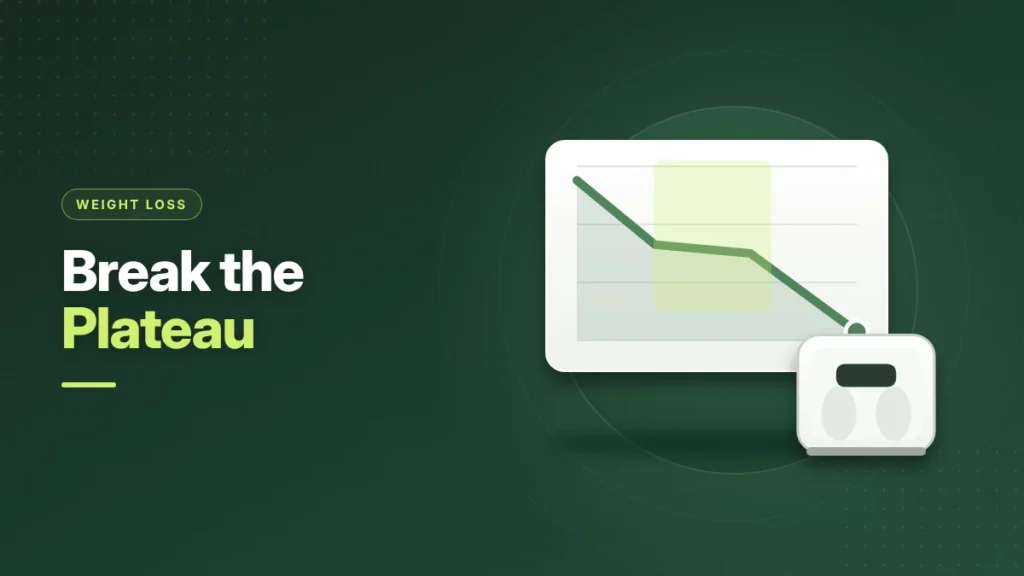
You’ve been doing everything right. The first few weeks went great and the scale kept dropping. Then, almost overnight, it stopped. Same number, week after week, even though you haven’t changed a thing. Sound familiar? A weight loss plateau is one of the most frustrating parts of any fat-loss journey, but it’s also completely normal. Here’s why it happens and what you can do about it.
What Counts as a Plateau?
Weight naturally bounces around by a few pounds from day to day because of water, food in your gut, and hormones. One or two weeks without change isn’t a plateau. It’s usually just noise.
A true plateau is when your weight hasn’t moved for three to four weeks or more, even though you’ve been consistent with your eating and exercise.
Why Weight Loss Plateaus Happen
Your Body Needs Less Energy Now
This is the biggest reason. A smaller body burns fewer calories, both at rest and during movement. The calorie target that created a deficit at your starting weight may now be close to your new maintenance level. As Mayo Clinic explains, a plateau happens when the calories you burn equal the calories you eat.
Your Metabolism Adapts
When you diet for a while, your body becomes a little more efficient. You may also lose some muscle along with fat, which slightly lowers your metabolism.
You Move Less Without Noticing
Dieting can make you subconsciously move less. You fidget less, take fewer steps, and sit more. This everyday movement, called NEAT, can account for hundreds of calories a day, so small drops add up.
Calorie Creep
Over time, portions grow, a few extra bites sneak in, and tracking gets less careful. A splash of oil here and a handful of nuts there can quietly erase a deficit.
Water Is Hiding Fat Loss
Stress, poor sleep, a salty meal, a new workout routine, or your menstrual cycle can all cause water retention. You might be losing fat while the scale stays flat.
Is It Really a Plateau?
Before changing anything, check whether progress has truly stopped:
- Track weekly averages. Weigh yourself several times a week and compare averages rather than single readings.
- Measure your waist and hips. Inches can drop even when weight doesn’t.
- Take progress photos. Changes are often easier to see than to weigh.
- Notice how clothes fit. It’s one of the most reliable signs.
How to Break Through a Weight Loss Plateau
1. Recalculate Your Calories
Your needs have changed, so your plan should too. Rework your numbers using our guide on how to figure out maintenance calories, or try the NIH Body Weight Planner. A small reduction of 100 to 200 calories is often enough.
2. Tighten Up Your Tracking
For one to two weeks, weigh and log everything, including cooking oils, sauces, drinks, and weekend meals. Many people discover the gap here.
3. Increase Your Daily Steps
Adding 2,000 to 3,000 steps a day is an easy way to burn more without exhausting yourself.
4. Prioritize Protein
Protein keeps you full and helps protect muscle while you’re in a deficit. Aim to include a good source at every meal.
5. Lift Weights
Strength training helps you keep muscle as you lose fat. Mayo Clinic recommends adding weightlifting to your routine when you plateau. Our guide to compound lifts is a great place to start.
6. Sleep More and Manage Stress
Poor sleep increases hunger and cravings, and chronic stress can increase water retention. Aim for seven or more hours a night.
7. Consider a Diet Break
If you’ve been dieting for months, eating at maintenance for one to two weeks can ease fatigue and hunger, and make it easier to restart your deficit. Some research suggests planned breaks may even improve long-term results.
8. Don’t Go Too Low
Avoid cutting calories drastically. Mayo Clinic advises not going below 1,200 calories a day, as very low intakes make it harder to get enough nutrients and control hunger.
Reassess Your Goal
Sometimes a plateau is a sign you’ve reached a weight your body is comfortable maintaining. If you’re already at a healthy weight and feeling good, it may be worth focusing on strength, fitness, and maintaining your results rather than chasing a lower number.
The Bottom Line
A weight loss plateau usually happens because your body now needs fewer calories than when you started. Check whether it’s a true plateau, then recalculate your calories, tighten your tracking, move more, lift weights, and prioritize protein and sleep. Stay patient and consistent, and progress will usually return. For more ways to support your metabolism, read our guide on how to get a fast metabolism.
Written by Kashan | FitnessMethodology.com — Your trusted destination for practical fitness tips, smarter nutrition, and healthier living. We empower you to make smarter choices, build healthier habits, and achieving your fitness goals .
Health note: This article is general information, not medical advice. Check with a doctor or registered dietitian before making big changes to your diet or training, especially if you have a health condition, are pregnant or take medication. Read our full disclaimer.