Building muscle takes time, consistency, and a well-planned workout routine. If you are new to strength training, you may notice improvements in strength within a few weeks, while visible changes in muscle size often take several weeks to a few months. More substantial muscle growth can take six months or longer.
The exact timeline depends on your training experience, nutrition, genetics, sleep, recovery, and how consistently you exercise. The good news is that you do not need an advanced gym routine to start making progress.
How Long Does It Take to See Muscle Growth?
Muscle growth, also called muscle hypertrophy, happens when resistance training stimulates your muscles to adapt and increase in size. However, strength improvements and visible muscle growth do not happen at exactly the same rate.
Here is a realistic general timeline for someone starting a consistent resistance-training program.
| Training period | What you may notice |
| First 2–4 weeks | Better exercise coordination and early strength improvements |
| Weeks 4–8 | Improved performance and possible early physical changes |
| Months 2–3 | More noticeable muscle development for some beginners |
| Months 3–6 | Greater visible changes if training, eating, and recovery are consistent |
| Six months and beyond | Continued muscle development, with progress varying between individuals |
These are approximate milestones, not guaranteed results. Some people notice changes earlier, while others need more time. Your starting body composition and training program can make a significant difference.
The Cleveland Clinic explains that strength improvements may appear within three to four weeks, while noticeable muscle-size changes can take longer. Read its guide on how long it takes to build muscle.
What Factors Affect How Quickly You Build Muscle?
Several factors influence your rate of muscle growth. Understanding them can help you set realistic expectations and build a sustainable routine.
1. Your Training Experience
Beginners often make noticeable strength gains relatively quickly because their bodies are adapting to new movements and training demands. Learn more about what drives strength gains in beginners. People who have trained consistently for years usually need more careful programming to continue making progress.
If you are a beginner, focus on learning proper exercise technique and gradually increasing the challenge rather than trying to lift the heaviest weights immediately.
2. Your Workout Routine
Muscles need a sufficient training stimulus to grow. Your routine should challenge the major muscle groups and become progressively more demanding as your strength improves.
Useful exercises include:
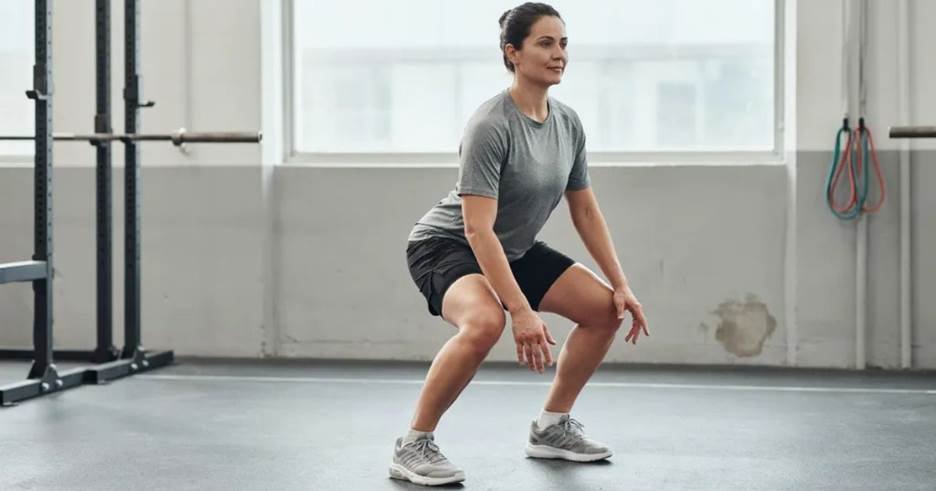
- Squats for the legs and gluts
- Push-ups or bench presses for the chest and triceps
- Rows for the back and biceps
- Overhead presses for the shoulders
- Hip hinges, such as Romanian dead lifts, for the posterior chain
Choose exercises that match your ability and equipment. Good technique and consistent progression matter more than constantly changing your routine.
3. Your Nutrition
Your body needs enough energy, protein, carbohydrates, fats, vitamins, and minerals to support training and recovery.
Protein is particularly important because it provides the amino acids needed to repair and build muscle tissue. Include foods such as eggs, fish, chicken, yogurt, milk, beans, lentils, tofu, or other suitable protein sources. For a closer look at one of the easiest options, see calories and protein in eggs.
If gaining muscle is your main goal, eating enough total calories is also important. A modest calorie surplus may help, although beginners and some people with higher body-fat levels can gain muscle without deliberately eating extra calories.
4. Sleep and Recovery
Your muscles need time to recover between challenging workouts. Training hard every day without adequate recovery can make it more difficult to maintain performance and consistency.
Most adults should aim for seven to nine hours of sleep per night. Allow enough recovery between demanding sessions for the same muscle groups, and adjust your training if fatigue or soreness persists.
5. Genetics, Age, and Hormones
People differ in muscle-building potential because of genetics, age, hormonal factors, body composition, and other individual characteristics.
You cannot control every factor, but you can control much of your training quality, nutrition, sleep, and consistency. Compare your progress with your own previous performance rather than someone else results.
How Often Should You Work Out to Build Muscle?
For most healthy adults, training each major muscle group at least twice per week is a practical starting point. The best schedule depends on your experience, recovery, and available time.
A beginner could start with three full-body workouts per week, leaving recovery time between sessions.
Example Three-Day Beginner Workout Plan
Monday: Full body
- Squats: 2–3 sets of 8–12 repetitions
- Push-ups: 2–3 sets of 6–12 repetitions
- Dumbbell rows: 2–3 sets of 8–12 repetitions
- Glut bridges: 2–3 sets of 10–15 repetitions
Wednesday: Full body
- Goblet squats: 2–3 sets of 8–12 repetitions
- Dumbbell shoulder presses: 2–3 sets of 8–12 repetitions
- Lat pull downs or resistance-band rows: 2–3 sets of 8–12 repetitions
- Romanian dead lifts with light dumbbells: 2–3 sets of 8–12 repetitions
Friday: Full body
- Reverse lunges: 2–3 sets of 8–10 repetitions per leg
- Bench presses or push-ups: 2–3 sets of 8–12 repetitions
- Seated rows: 2–3 sets of 8–12 repetitions
- Planks: 2–3 controlled holds
Start with manageable resistance and focus on controlled movements. Increase the weight or repetitions gradually when you can complete your sets with good technique.
This is a general example rather than an individualized prescription. Adjust it to your fitness level, equipment, and any relevant injuries or medical limitations.
The American College of Sports Medicine’s resistance-training guidance reviews evidence from more than 137 systematic reviews involving over 30,000 participants. It supports progressive resistance training and regular engagement of the major muscle groups.
How Much Protein Do You Need to Build Muscle?
Protein requirements depend on your body weight, training demands, overall diet, and health status.
For many healthy adults who exercise regularly, approximately 1.4–2.0 grams of protein per kilogram of body weight per day is a commonly used range for supporting muscle development.
For example, a person weighing 70 kg might aim for roughly 98–140 grams of protein daily.
You can spread your protein intake across meals rather than trying to consume it all at once. Ordinary foods can provide much of what you need; protein supplements are optional, not essential.
If you have kidney disease or another condition requiring dietary restrictions, consult a qualified healthcare professional before substantially increasing your protein intake.
How Can You Tell If Your Muscles Are Growing?
The mirror is not the only way to measure progress. Changes in muscle size can be gradual, and day-to-day differences in hydration, lighting, and muscle fullness can be misleading.
Use several methods to track your progress:
- Workout performance: Record weights, repetitions, and sets.
- Body measurements: Measure your arms, chest, thighs, or waist periodically under similar conditions.
- Progress photographs: Take photos every four weeks using similar lighting and poses.
- Body weight: Monitor weekly trends rather than reacting to daily fluctuations.
- Recovery and consistency: Note whether you can complete workouts with good technique and recover between sessions.
Remember that getting stronger does not always mean you have gained the same amount of muscle. Early strength improvements can also result from better coordination and nervous-system adaptations.
Common Mistakes That Slow Muscle Growth
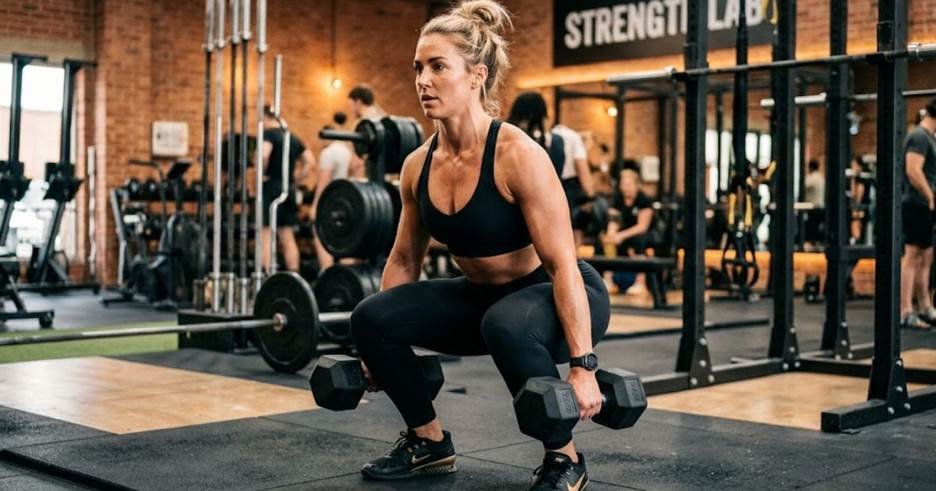
Avoid these common mistakes if you want to make steady progress.
Changing Your Workout Too Often
Constantly switching exercises can make it harder to track progress. Keep a reasonably consistent program long enough to improve your technique and performance.
Not Increasing the Challenge
If your workouts never become more demanding, your muscles may receive less stimulus to adapt. Gradually increase resistance, repetitions, or training volume as appropriate.
Eating Too Little
An inadequate calorie or protein intake can make muscle development more difficult. Make sure your meals support your activity level and recovery.
Ignoring Recovery
More exercise is not always better. Insufficient sleep and excessive training can affect performance, so balance challenging sessions with recovery.
Expecting Results Overnight
Muscle growth is a gradual process. Give yourself several months of consistent effort before judging whether your overall approach is working.
Frequently Asked Questions
Can you build muscle in 30 days?
Yes, early strength improvements and some muscle growth can occur within 30 days, particularly in beginners. However, dramatic physical transformations are unlikely for most people in such a short period.
How long does it take to build noticeable muscle?
Some people notice early physical changes after four to eight weeks, while more obvious changes may take several months. The timeline varies with training, nutrition, recovery, and individual characteristics.
Can you build muscle without going to the gym?
Yes. Push-ups, squats, lunges, resistance bands, and other home exercises can build muscle when they provide sufficient resistance and become progressively more challenging.
Do you need to lift weights every day?
No. Consistent, well-planned resistance training is more important than exercising every day. A three-day full-body routine can be a practical starting point for beginners.
Does soreness mean your muscles are growing?
No. Muscle soreness is not a reliable measure of muscle growth or workout effectiveness. You can make progress without feeling very sore after every session.
Is it possible to build muscle while losing fat?
Yes, some people can gain muscle while losing body fat, particularly beginners and people returning to training. Results depend on training experience, nutrition, body composition, and recovery.
Also read, Balanced diet and regular exercise
Final Thoughts
Building muscle is a gradual process, but consistent habits can produce meaningful results. You may notice early improvements in strength within a few weeks, while visible muscle growth often takes several weeks or months.
Focus on progressive resistance training, adequate nutrition, sufficient sleep, and a routine you can maintain. Track your performance and physical changes over time, and give your body enough opportunity to adapt.
You do not need a perfect workout plan to begin. You need a sensible plan that you can follow consistently and improve as you get stronger.
Keep Reading
Health note: This article is general information, not medical advice. Check with a doctor or registered dietitian before making big changes to your diet or training, especially if you have a health condition, are pregnant or take medication. Read our full disclaimer.